 A Lean Journey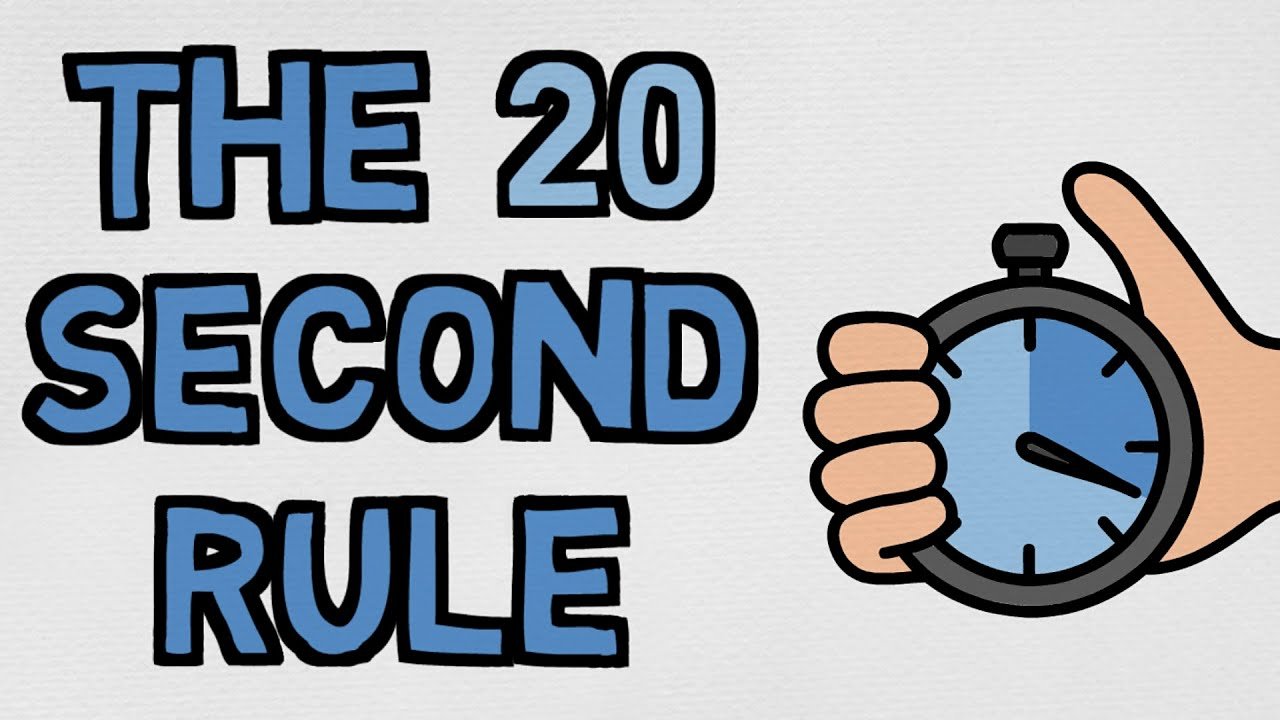
Change is one of the most difficult things for humans to readily accept. People commonly resist change for a variety of reasons. Although you intend for the change to result in a positive outcome, change is often viewed as negative. Anyone who has worked in or led an organization’s transformation understands change is not easy. We are so ingrained in the way that we do things that to do it a new way, or to stop doing something causes us to feel uncomfortable. We equate uncomfortable with wrong, instead of different, and there’s a tendency to go back to what was comfortable.
One key to changing a habit is to put desired behavior on the path of least resistance, so it takes less energy to do it than to avoid it. It often takes more than 20 seconds to make a difference, but the strategy is universally applicable: Lower the activation energy for habits you want to adopt and raise it for habits you want to avoid. In physics, activation energy is the stimulus required to cause some sort of reaction. With human behavior, it’s the energy we must first expend in order to do something new.
In his book, The Happiness Advantage, Shawn Achor talks about his experience with activation energy when he was trying to practice guitar more frequently. In his description of what he calls the 20-Second Rule, Shawn put the guitar closer to the couch and moved the television remote further away – about 20 seconds away, to be exact. “What I had done here, essentially, was put the desired behavior on the path of least resistance, so it actually took less energy for me to pick up and practice the guitar than to avoid it.” He calls it the 20-second Rule, “because lowering the barrier to change by just 20 seconds was all it took to help me form a new life habit.”
Sustainable behavior change is not something that occurs as a result of doing a 30 or 90-day program, nor is it something that you master after doing it for a year. Change takes a daily commitment to put in the time and energy, knowing that the return on that investment is great. The more we are able to reduce the resistance to, the better we are able to focus on things that matter most to us.
Sustaining lasting change often feels impossible because our willpower is limited. And when willpower fails, we fall back on our old habits and succumb to the path of least resistance. This principle shows how, by making small energy adjustments, we can reroute the path of least resistance and replace bad habits with good ones.
Change should be ongoing and employees should be a critical part of that process so there is not fear of change but a willingness to embrace it because it’s a part of the everyday process in the organization.
Look at the good habits you want to develop and see if there’s a way you can make them easier to begin by 20 seconds. Conversely, want to stop a bad habit? Increase the time it takes to initiate it by 20 seconds.









Leave a Comment
Your email address will not be published. Required fields are marked with *